

When a Parent Needs Help at Home: Signs and First Steps
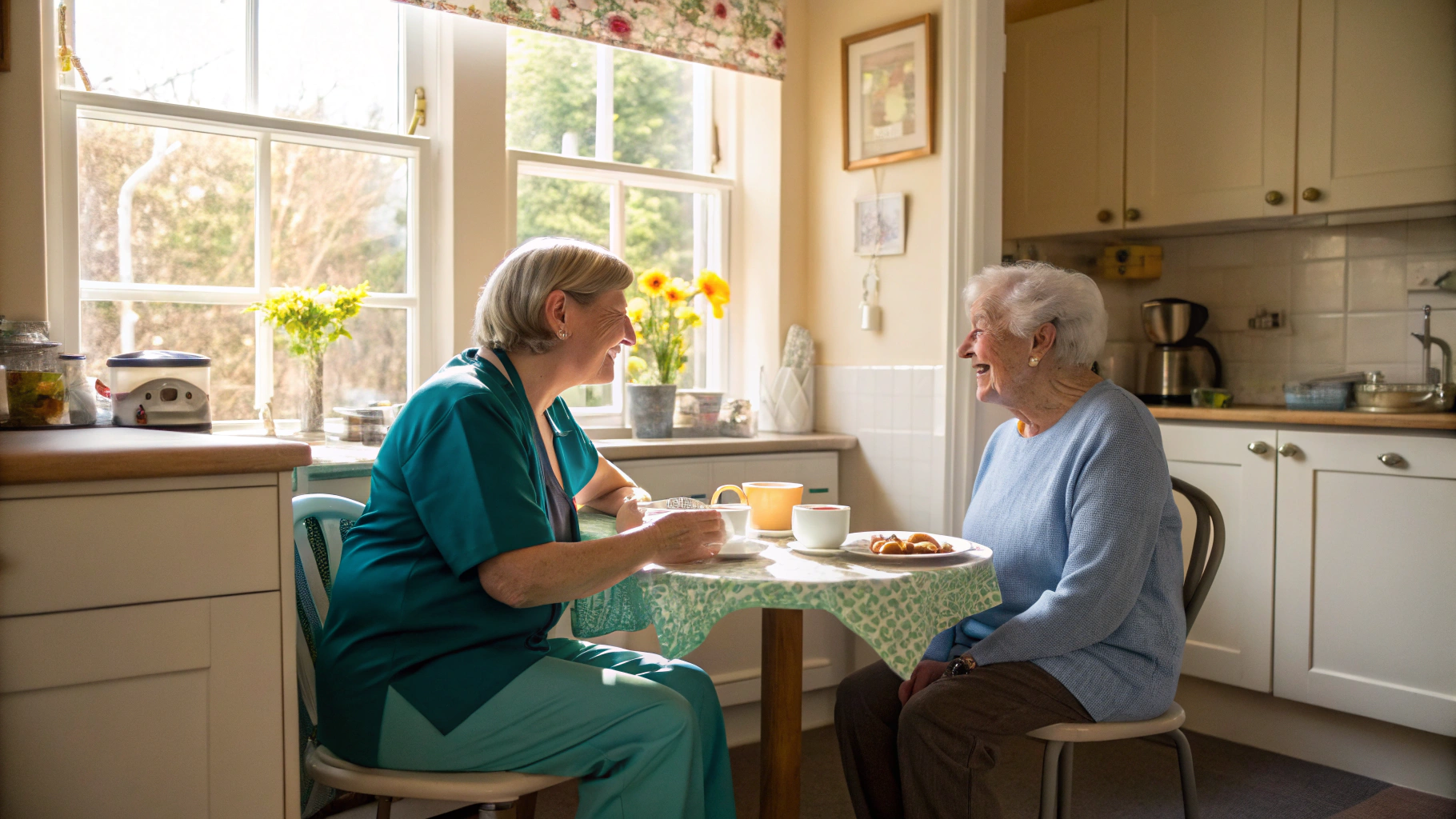
Many families notice small changes first. A parent who was independent starts to struggle, but does not want to ask for help.
Five signs to watch for
- Changes in mobility. Holding walls, avoiding stairs, new bruises.
- Slips and near falls that they brush off.
- The home is changing. Clutter, unopened mail, a bathroom that is not being used.
- Personal care is slipping. Bathing less often, or fear of the shower.
- Less social contact and more time at home.
Starting the conversation
- Choose a calm moment, and begin with questions, not solutions.
- Ask what is hardest, and listen.
- Focus on staying independent at home, not on losing independence.
- Involve their doctor or an occupational therapist.
Practical first steps
- Get an occupational therapist's assessment through their doctor or health authority.
- Make the highest-risk spots safer: the bathroom and the stairs.
- Look at funding, see BC RAHA.
- Take it a step at a time, so changes feel manageable.
Read our aging-in-place checklist. We are happy to talk with you and your parent, with no pressure. Book a free in-home assessment or call 604-259-1211.