

Tub Cut or Shower Renovation? How to Choose the Right Bathroom Upgrade
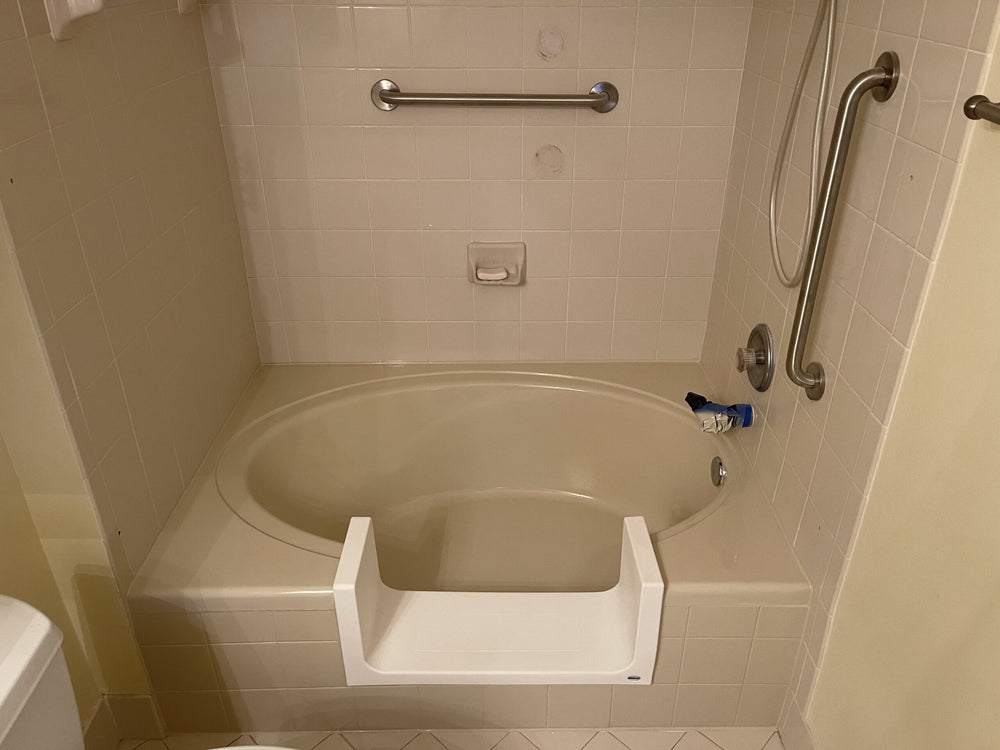
A tub cut lowers the step into your tub. A shower renovation replaces the tub with a shower. Both can make a bathroom safer, but they solve different problems. The right choice depends on how you move today, what may change in the next few years, and how much work you want in your home.
This guide compares three options: a tub cut, a standard tub-to-shower conversion, and a barrier-free shower. It is not medical advice. Your doctor or occupational therapist knows how you move best, so talk with them about your own needs. We look at the bathroom side.

What is the difference between the three options?
- Tub cut. An opening is cut into the side of your existing tub and fitted with a watertight insert. The tub stays where it is, so you can still take a bath. You step in through the opening instead of lifting your leg over the wall.
- Tub-to-shower conversion. The tub comes out and a shower goes in its place. A standard conversion usually has a low step-in base. You still step over a small edge, but it is much lower than a tub wall.
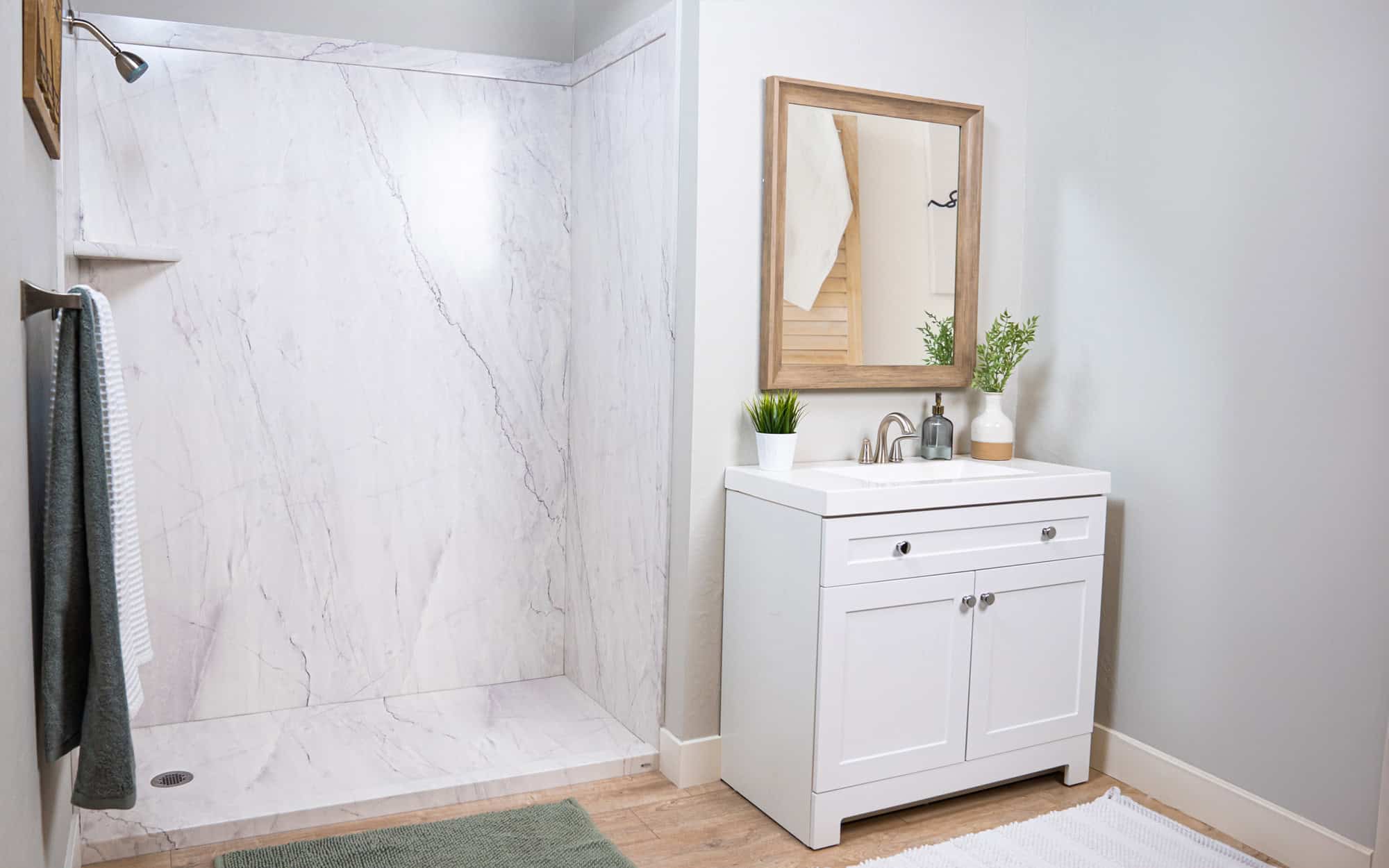
- Barrier-free shower. The shower has no step at all, or a very small threshold. You can walk in, or roll in with a wheelchair or shower chair. It is usually tiled or built from a one-piece system such as Best Bath, and it often changes more of the room.
How does mobility affect the choice?
A tub cut suits you if you can stand and step safely, but a high tub wall has become hard or risky. It is also a good fit if you want to keep the option of a bath. You still lift your foot through the opening, just a much shorter distance.
A tub cut may not suit you if you use a wheelchair, you cannot step at all, or someone needs space beside you to help. An opening in a tub does not give you room to turn or to bring a chair in.
A standard tub-to-shower conversion is a good middle step. Many people find a low edge and a standing shower much easier than a tub. It still has a small step, so it works best when you can lift your foot a short way and stand for a shower, or sit on a shower seat.
A barrier-free shower gives the most access. There is nothing to step over, there is room for a shower chair or a helper, and it still works if your mobility changes later. If someone in your home may need a wheelchair or walker, this is the one to look at first.
A useful question to ask: not just "what do I need today", but "what might I need in five years?" A bigger job now can save you doing the bathroom twice.
What does each option cost?
- Tub cut: our four models run from $890 to $1,450 for the cut, depending on the tub and the model.
- Tub-to-shower conversion: from $8,500.
- Barrier-free shower: from $12,000.
Prices are indicative and accurate at the time of publishing; contact us for a current quote.
The final price of a conversion or barrier-free shower depends on the size of the room, the finishes you choose, the condition of the floor underneath, and whether the plumbing has to move. A walk through your bathroom is the only way to give you a firm number. Our accessible bathroom cost guide explains what moves a price up or down.
Depending on your situation, you may be able to claim the Home Accessibility Tax Credit or get help from BC RAHA. Some programs need approval before work begins, so check before you start.
How long does each one take?
- Tub cut: usually about half a day (3 to 4 hours), and ready to use the next day once it has cured. Our Convertible model takes a little longer because its door insert needs extra waterproofing.
- Tub-to-shower conversion: a Sentrel composite conversion takes about 2 to 4 days. A Best Bath conversion takes about 3 to 5 days.
- Barrier-free shower: a Best Bath barrier-free system is also in the 3 to 5 day range. A custom tiled shower takes longer, and the time depends on the design.
These are typical times and they vary with scope. The condition of the floor, moving plumbing and strata requirements can all add days, and we confirm them at your assessment. During a conversion, the bathroom is out of use. If you have only one bathroom, it is worth planning where you will wash.
Do I need a permit or strata approval?
Rules differ between cities and buildings, so there is no single answer. In general:
- A tub cut leaves your plumbing and the structure of the room in place, so it is usually the simpler job.
- A conversion or barrier-free shower is a bigger job. If the plumbing changes, permits and inspections are more likely to apply.
- If you live in a condo or townhouse, your strata may need notice or approval for any of the three, so ask early.
For conversions and showers, all plumbing and electrical work is done by licensed Red Seal tradespeople, which keeps the work code-compliant. Home2stay's own team does the rest of the installation and handles strata notices and permits for you. We confirm what applies to your home at the free in-home assessment, so you are not left chasing paperwork.
Where do grab bars fit in?
Grab bars belong with all three options. A tub cut makes the step lower, but you still need something solid to hold as you step in and as you stand up. A shower with no step still has wet, slippery surfaces.
- A bar near the entry helps you step in or out.
- A bar inside the tub or shower helps you stand and turn.
- A bar near the controls or seat gives support while you sit or reach.
The best time to add them is during the work, because bars need to be anchored into solid backing, not just the tile. If you buy bars from us, installation is $150 for the first bar and $75 for each additional bar, plus the cost of the bar. For a limited time, until November 30, 2026, we can also add a safety package to a tub cut at a sale price of $339 installed: two EasyMount stainless bars and a PLUS towel bar. Ask about it when you book, because the sale ends. See our grab bars and bath safety page, or read where to place them in where to place grab bars and handrails.
So which one should I choose?
- Start with how you move. If you can step but the tub wall is the problem, a tub cut may be enough. If you use a wheelchair or need a helper beside you, look at a barrier-free shower.
- Think ahead. If your needs are likely to grow, a larger job now may cost less than two jobs later.
- Match the job to the budget and the time you have. A tub cut is a few hours. A conversion is a few days. A barrier-free shower can take longer.
- Talk with your healthcare team about what you need, then bring that to the assessment.
- Add grab bars whichever way you go.
You can also read more in tub cut-outs explained and see all our bathroom solutions.
Not sure which one fits your bathroom? Let's look together
We serve homes across the Lower Mainland. Book a free in-home assessment and we will listen first, look at your bathroom, and give you honest advice, whether that is a tub cut, a conversion, a barrier-free shower or just a few grab bars. You can also call us at 604-259-1211.